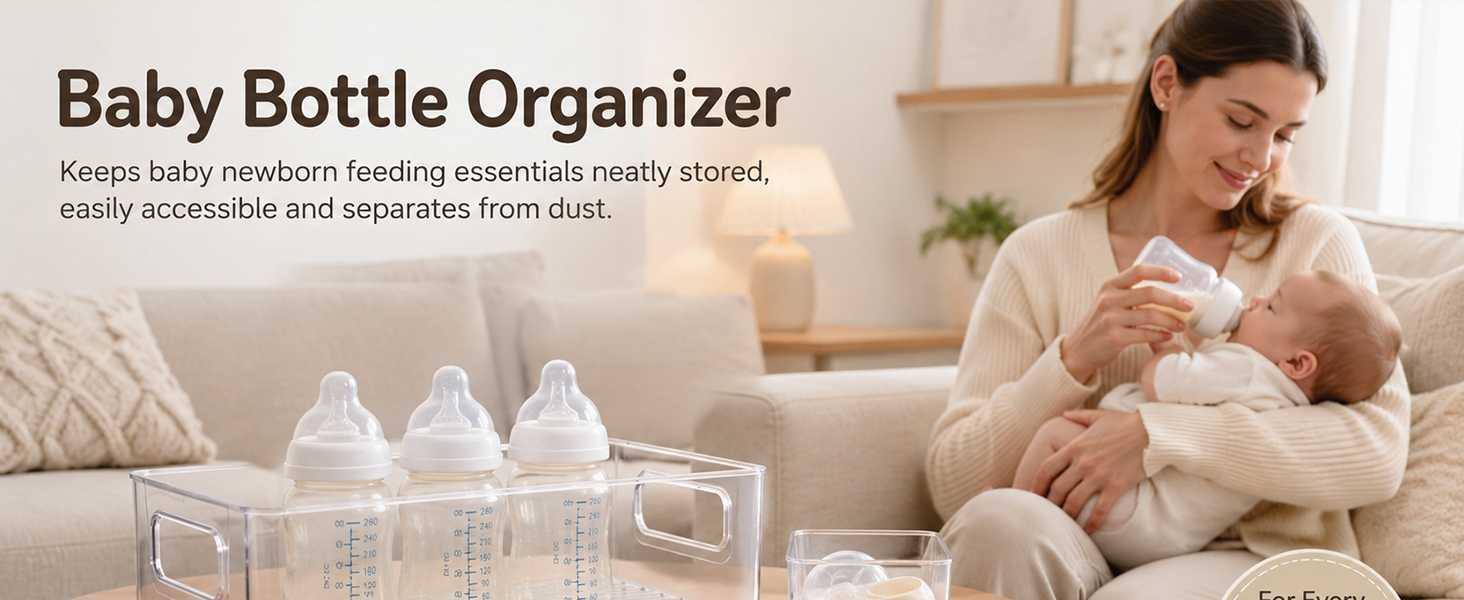
Baby Bottle Organizer and Storage: A Practical Guide for a Calmer, Clutter-Free Feeding Routine
Feeding a baby already involves enough moving parts. The last thing any parent needs is a kitchen counter crowded with bottles, nipples, caps, and random baby products. A thoughtful baby bottle organizer and a reliable baby bottle storage system can turn a chaotic feeding routine into a simple, sanitary, and surprisingly satisfying process. Whether you are preparing for a first baby, stocking a nursery, or trying to regain control of a busy kitchen, the right storage setup can make daily feeding easier for everyone.
Why a Baby Bottle Organizer Matters More Than It Seems
At first glance, a bottle organizer may look like a small accessory. In reality, it is a daily-use tool that affects speed, cleanliness, and peace of mind. When bottles are stored upright and separated, they dry more evenly, parts stay matched, and you can see exactly what is clean and ready to use. This is especially helpful during night feeds, when hunting for a missing nipple or cap is the last thing you want to do.
A good storage system also protects bottles from kitchen clutter. Baby products can easily get pushed to the back of a cabinet or mixed in with adult cups and utensils. By giving bottles a dedicated home, you reduce the risk of damage, dust, and accidental mix-ups. The result is a feeding station that feels calm instead of rushed.
- Faster prep: everything is visible and within reach.
- Better hygiene: bottles and parts stay separate and upright.
- Less waste: fewer lost caps, nipples, and sealing discs.
- More space: counters and cabinets stay easier to clean.
Types of Baby Bottle Storage Solutions
There is no single perfect organizer for every family. The best choice depends on your kitchen layout, how many bottles you use, and whether you pump, formula-feed, breastfeed, or combine methods. Here are the most common options and how they fit different routines.
Countertop Bottle Organizers
Countertop organizers are ideal for families who want a visible, easy-to-reach feeding station. Look for a design with divided slots, a drip tray, and enough height for standard or wide-neck bottles. A compact countertop rack works well next to a bottle warmer or sterilizer, while a rotating organizer can save space in smaller kitchens.
Drawer and Cabinet Organizers
If you prefer a clutter-free counter, drawer inserts and cabinet organizers keep bottles hidden but organized. Adjustable dividers are especially useful because they can grow with your baby’s feeding stages. Use one section for clean bottles, another for nipples and rings, and a separate bin for pump parts. This simple separation prevents confusion and makes assembly faster.
Drying Racks With Storage Features
A drying rack is not just for drying. Many modern racks include bottle pegs, nipple holders, and removable trays that double as storage. Choose a rack with good airflow and a removable drip tray so water does not collect underneath. If counter space is limited, a vertical drying rack with multiple levels can be a smart two-in-one solution.
How to Build a Practical Baby Bottle Storage System
The most effective storage plan is based on workflow, not just appearance. Think about the path a bottle takes from washing to drying to filling to feeding. If your organizer supports that path, you will use it consistently.
| Zone | Purpose | Storage Tip |
|---|---|---|
| Wash zone | Cleaning bottles and parts | Keep a small bin for brushes and soap nearby. |
| Drying zone | Air-drying clean items | Use a rack with airflow and a drip tray. |
| Assembly zone | Matching bottles, rings, and nipples | Store parts by size or bottle brand. |
| Ready-to-use zone | Holding filled or clean bottles | Keep only the next feed or two within reach. |
This zone-based approach works in kitchens, nurseries, and even small apartments. It also makes it easier to involve a partner, grandparent, or caregiver. When everyone knows where clean bottles belong, the whole household can help without creating new clutter.
Baby Bottle Storage by Feeding Stage
Newborn stage: keep a small number of bottles ready and store the rest in a clean cabinet. At this stage, sterilization and drying are frequent, so a rack with plenty of pegs is valuable.
Pumping stage: use separate containers for pump parts, storage bags, and bottle components. A drawer organizer with removable bins makes it easy to grab what you need during a busy pumping session.
Starting solids and transition stage: bottles may share space with sippy cups and snack containers. Adjustable organizers can be reconfigured as your baby grows, which helps you avoid buying new storage products too soon.
Simple Habits That Keep Bottle Storage Under Control
- Keep only daily-use items on the counter. Store backup bottles and extra nipples in a labeled bin.
- Match parts immediately after drying. Pair each nipple with the correct ring and cap before putting it away.
- Do a weekly reset. Remove mismatched parts, expired items, and bottles your baby no longer uses.
- Label storage bins. Use simple words such as “clean,” “pump parts,” and “travel” to reduce guesswork.
- Clean the organizer regularly. Wipe trays and racks often to prevent milk residue or water buildup.
What to Look for When Buying Baby Bottle Organizers
Before choosing from the many baby products available, check a few practical details. First, confirm that the organizer fits your bottle brand and height. Wide-neck bottles need more room than narrow bottles, and some taller bottles may not fit under cabinet shelves. Second, look for removable parts that are easy to wash. Third, choose a material that suits your home: plastic is lightweight, metal is durable, and bamboo can blend nicely with warm nursery decor.
Also think about flexibility. A slightly larger organizer with adjustable dividers may cost a little more, but it can be reused for pump parts, sippy cups, and snack containers later. That makes it a smarter long-term purchase than a tightly sized rack that only works for one stage.
Final Thoughts on Baby Bottle Organization
Baby bottle organizers and storage systems are small investments with a big daily payoff. They reduce clutter, support better hygiene, and make feeding feel less frantic. Start by creating a simple washing, drying, and assembly zone. Then choose a storage solution that fits your space and your baby’s feeding routine. With a little planning, bottles, nipples, caps, and pump parts can each have a clear place—and your kitchen can feel calmer, cleaner, and ready for the next feed.
About the Author