Choosing the Right Fluid Extractor, Oil Extractor Pump, and Fluid Transfer Pump for Cleaner Maintenance
Whether you are changing engine oil, servicing a gearbox, or moving coolant between containers, the right equipment turns a messy chore into a controlled process. A fluid extractor, a oil extractor pump, and a fluid transfer pump may look like simple tools, but each one solves a different problem. Choosing thoughtfully saves time, reduces spills, and protects the equipment you are working on.
Why the Right Fluid Handling Tool Changes the Job
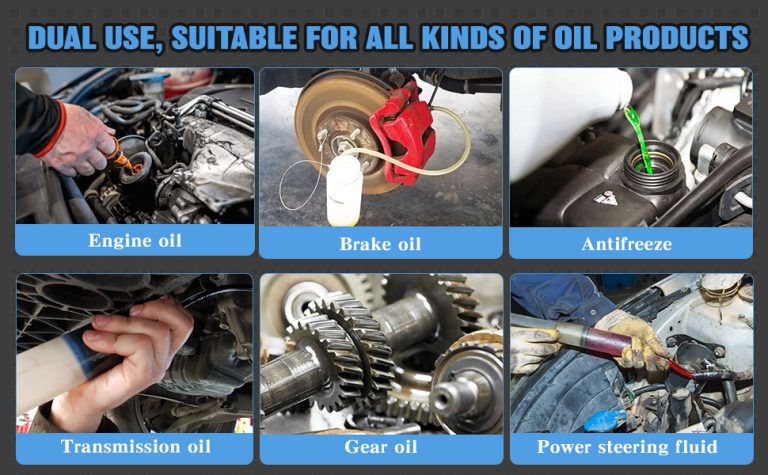
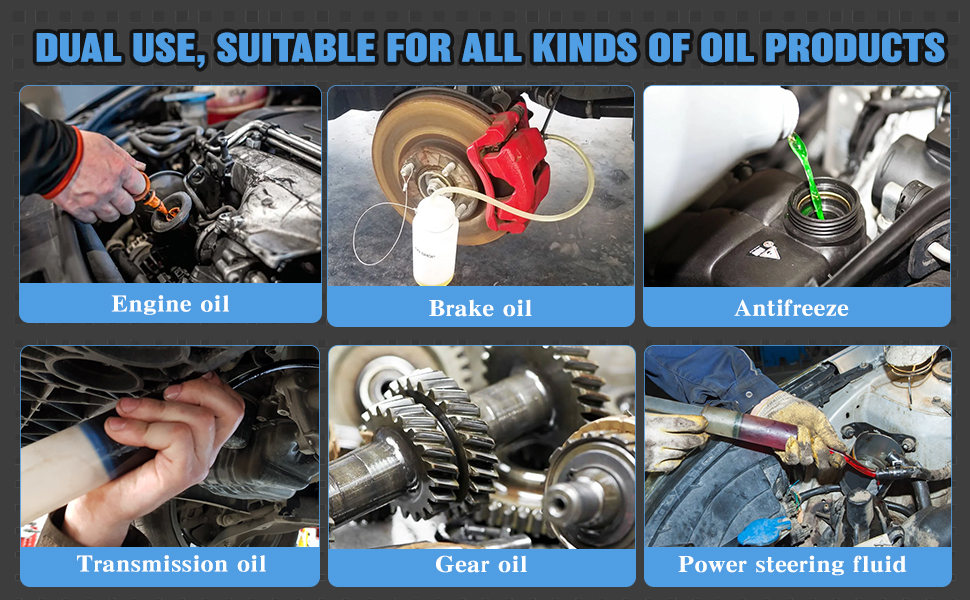
Fluid maintenance is rarely difficult because of the fluid itself. The real challenge is access, containment, and speed. Oil may sit in a recessed sump, coolant may need to move from a low drain plug to a high reservoir, and brake fluid may demand careful isolation from dirt and moisture. A reliable fluid extractor gives technicians and DIY users a cleaner way to pull fluids out through a dipstick tube or fill port instead of relying on gravity drains that splash and spread.
What a Fluid Extractor Does Best
The strongest advantage of extraction is control. Instead of removing a drain plug and hoping the stream lands in the catch pan, you guide a probe into the fluid and let vacuum do the work. This is especially useful for engines with tight underbody panels, marine engines, and equipment where a drain plug is hard to reach.
- Cleaner work area: less dripping and fewer contaminated rags.
- Better access: ideal for recessed or obstructed drain points.
- Measured removal: many extractors let you see how much fluid came out.
- Faster routine service: no need to lift the vehicle for every small extraction.
Oil Extractor Pump: Small Tool, Big Difference
An oil extractor pump is purpose-built for viscous fluids and small sumps. It is not simply a generic suction device; it is designed to handle warm oil, resist clogging, and keep the used fluid contained until you are ready to dispose of it. For routine oil changes on cars, motorcycles, lawn equipment, and small generators, this can be a practical alternative to traditional draining.
Good practice: warm the oil slightly before extraction, but never work with fluid hot enough to burn skin or deform the extractor’s hoses.
Where It Shines
- Dipstick-tube extraction: useful when the drain plug is awkward to reach.
- Small engines: clean removal from mowers, tillers, and pumps.
- Marine and powersports: helpful where hull or frame clearance is limited.
- Routine sampling: convenient for checking fluid condition before a full service.
The key is compatibility. Check hose diameter, fluid temperature limits, and reservoir capacity before you buy. A pump that is too small for the job will require repeated emptying; one that is too large may be clumsy in tight spaces.
Fluid Transfer Pump: Move More, Spill Less
When the goal is not extraction but transfer, a fluid transfer pump becomes the better choice. These pumps move fluids from one container to another—fuel, coolant, hydraulic oil, water, or mild chemicals—with less lifting and fewer open containers. They are common in workshops, farms, marine maintenance, and emergency roadside kits.
- Manual rotary pumps: simple, portable, and useful where power is unavailable.
- Electric transfer pumps: faster for larger volumes and repeated jobs.
- Drum and barrel pumps: designed for bulk containers and workshop supply lines.
Do not assume one pump handles every fluid. Chemical compatibility matters. Some seals and hoses resist oil well but degrade with solvents; others are safe for water-based fluids but unsuitable for fuel. Always verify the manufacturer’s compatibility chart before transferring an unfamiliar liquid.
How to Match the Tool to the Task
Start with the fluid, then consider volume, access, and cleanup. If you are removing oil from a dipstick tube, an extractor pump is usually the most direct solution. If you are moving clean fluid into a reservoir, a transfer pump is more appropriate. If you need flexible service across multiple fluids, choose equipment with replaceable hoses and clearly rated materials.
Quick Selection Guide
- Extraction from a sump: prioritize probe reach, vacuum strength, and reservoir clarity.
- Repeated oil changes: look for durable seals, easy emptying, and stable bases.
- Bulk fluid movement: choose flow rate, hose length, and chemical compatibility first.
- Portable use: consider weight, handle design, and whether power is available.
Maintenance Habits That Pay Off
Even the best fluid tools need basic care. Flush hoses after use, store probes cleanly, and inspect seals for cracks or swelling. Keep used oil in a closed container and dispose of it through an approved recycling channel. A little discipline at the end of the job protects the next job—and keeps your workshop safer.
Remember: the goal is not just to move fluid quickly. It is to move it predictably, with minimal exposure, minimal waste, and no surprises on the floor.
With the right extractor, pump, and transfer method, routine fluid service becomes cleaner and more efficient. Match the tool to the fluid and the access point, and you will spend less time cleaning up and more time getting the job done properly.
About the Author