The Everyday Essentials Guide: Baby Products, Bath & Bedding, Beauty & Personal Care, Clothing & Costumes, and Food Service
Great daily routines are built from small, reliable choices. Whether you are preparing a nursery, refreshing a guest room, planning a self-care shelf, assembling a dress-up box, or arranging convenient meals, the same principle applies: buy thoughtfully, keep things simple, and choose products that work hard without creating extra clutter. This guide brings five practical categories together—baby products, bath and bedding, beauty and personal care, clothing and costumes, and food service—so you can compare priorities and build a home that feels calm, capable, and ready for real life.
Baby Products: Safety First, Convenience Second
Baby products deserve a slower, more careful shopping process. Look for clear safety information, washable materials, and designs that grow with a child. A convertible crib, a firm mattress, and a well-fitted sheet set often matter more than a room full of gadgets. Feeding gear should be easy to clean, while travel items should be lightweight enough to use every day rather than only on special occasions.
- Feeding: choose bottles with simple parts, soft bibs, and a high chair that supports good posture.
- Sleep: prioritize a firm, flat surface and avoid loose bedding around infants.
- Travel: keep a compact diaper pouch, spare outfit, and wipes within reach.
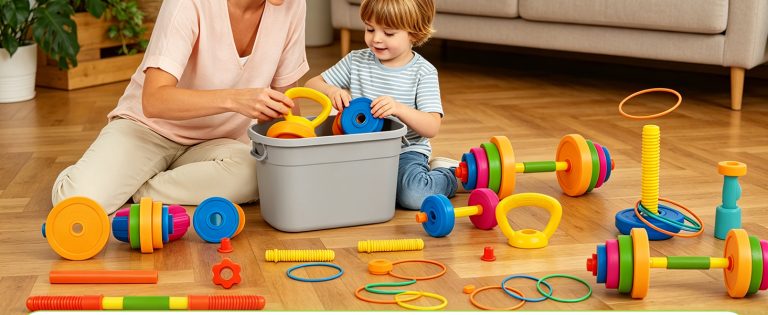
- Play: select open-ended toys that encourage grasping, stacking, and imaginative use.
Smart buying tip: before adding a new baby product, ask whether it solves a daily problem or simply adds storage work.
Bath & Bedding: Create a Calm Reset Zone
Bath and bedding products shape the beginning and end of the day. In the bathroom, soft towels, a non-slip mat, and a few well-placed hooks can make the space feel more organized. For bedding, breathable fabrics and layered textures help regulate temperature and make seasonal changes easier. Cotton, linen blends, and microfiber all have different strengths, so match the material to the user, the climate, and the amount of care you are willing to give.
Bath Essentials
Keep only what you use: a gentle cleanser, a moisturizing lotion, a quick-dry towel, and a tidy caddy for shared spaces. For children, choose tear-free formulas and store everything out of reach.
Bedding Basics
A supportive pillow, a washable duvet cover, and a spare sheet set can simplify laundry day. Rotate bedding regularly, and choose colors that hide everyday wear without making the room feel dull.
Comfort rule: the best bath and bedding purchases are the ones that make cleanup easier and sleep more consistent.
Beauty & Personal Care: Gentle, Consistent, and Personal
Beauty and personal care routines work best when they are realistic. A short routine that you repeat is more useful than an elaborate one that feels like a chore. Start with cleansing, moisturizing, and sun protection, then add targeted products only as needed. Look for clear labels, sensible packaging, and formulas that suit your skin type. Fragrance, exfoliation, and active ingredients should be introduced gradually.
- Morning: cleanse gently, moisturize, and apply broad-spectrum sun protection.
- Evening: remove sunscreen and makeup, cleanse, and restore moisture.
- Weekly: review products for expiration dates and simplify anything that feels irritating.
Personal care extras such as nail care, hair tools, and grooming items should be cleaned regularly and stored where they are easy to find but safe from moisture.
Clothing & Costumes: Practical Wardrobes With Room for Play
Clothing and costumes serve two different but connected needs: everyday function and creative expression. A practical wardrobe should include comfortable basics, weather-ready layers, and shoes that support daily movement. Costumes, meanwhile, give children and adults a low-pressure way to experiment with character, color, and storytelling. Choose washable fabrics, secure closures, and designs that allow movement.
- Everyday clothing: neutral basics, easy layers, and durable fabrics that survive frequent washing.
- Costumes: avoid loose accessories for young children, and check for scratchy seams or restrictive fits.
- Storage: use labeled bins for seasonal items and a separate hook or basket for dress-up pieces.
Balance tip: keep the everyday wardrobe small enough to stay organized, but leave room for a few playful pieces that make getting dressed fun.
Food Service: Convenience With Quality
Food service covers everything from meal delivery and takeout to cafeteria planning and hospitality supplies. The goal is not simply speed; it is reliability. Good food service should offer clear menus, safe handling, sensible portions, and packaging that travels well. For families, batch cooking, simple freezer meals, and a well-stocked pantry can reduce stress during busy weeks. For events, plan around dietary needs and keep serving tools organized.
Checklist for better food service: confirm ingredients, ask about allergens, choose packaging that keeps food at the right temperature, and have a backup option for picky eaters or unexpected guests.
Bringing the Five Categories Together
Baby products, bath and bedding, beauty and personal care, clothing and costumes, and food service may seem unrelated, but they all support the same goal: a home that works smoothly. Buy for safety and repeat use. Choose materials that clean well. Keep routines short enough to maintain. Most importantly, leave room for comfort, creativity, and convenience without letting any one category take over the budget or the storage space.
Final thought: the smartest essentials are not the most expensive or the most numerous. They are the ones that make daily life safer, calmer, and a little more enjoyable.
About the Author